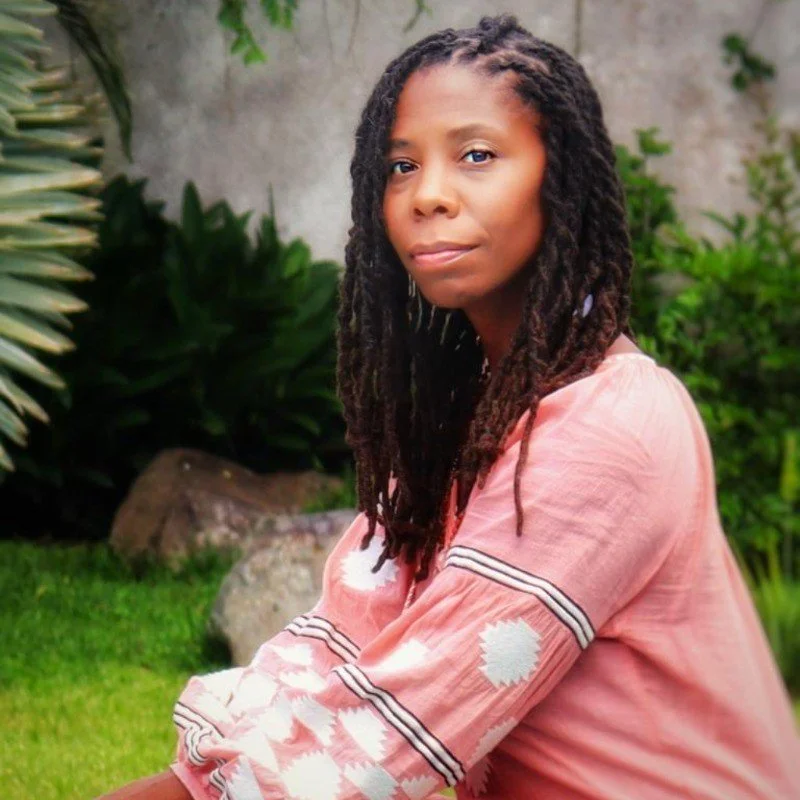
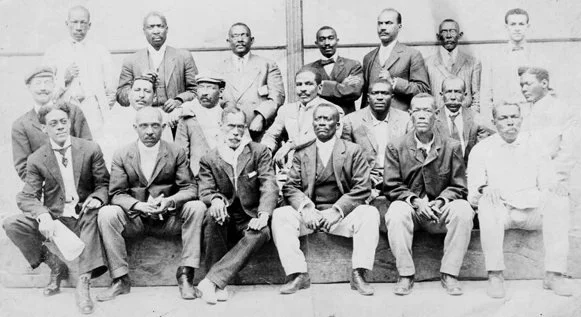
I have been traveling to Cuba for over 10 years. In November of 2015, I arrived for the first time for a conference at the University of Havana. With free time in the convening schedule, I walked down the streets of the backroads of Old Havana. I passed four-story colonial-styled homes, which lined the streets packed tightly and were colored in light teals, pinks, and off-white. An older Black man and his grandson stood at his door and shouted in English, stern but inviting: “We are Black here!” My Spanish was rudimentary, so I replied back, “I know,” and smiled. He stated back, “Inglaterra,” implying that I may be a Black British visitor. I said, “No, jamaicana,” not claiming the political weight of the American passport in my bag. He returned my statement with a smile and nodded with connection and approval. His grandson, about five years old, attentively watched the diasporic rhythm of our interaction.
Read MoreMy editor asked me to write about the war in Iran and what students think about it. Here’s the honest answer: most of them don’t. And that terrifies me far more than the war itself.
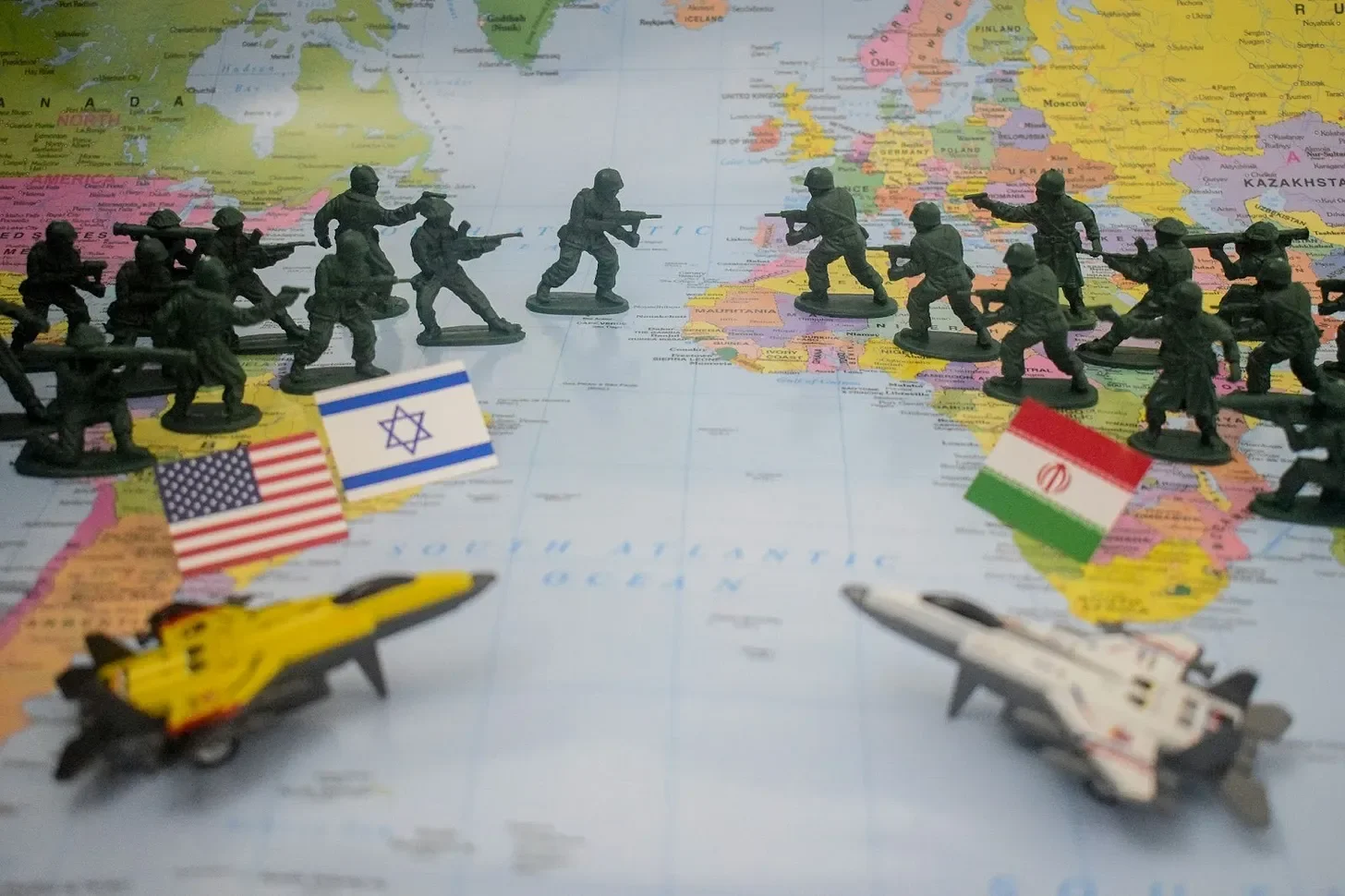
On February 28th, the United States and Israel launched strikes on Iran, killing the Supreme Leader and pulling the region into an expanding, open-ended war. Thirteen U.S. service members have been killed. Civilians—including 165 children inside a girls’ elementary school in Minab— are dead. A genocide in Gaza has been unfolding for over a year. The Congo continues to bleed. And I walk into school every morning and watch teenagers scroll past all of it without flinching.
Read MoreWhether a survivor chooses to share their story, including the name of the offender, or not is their choice alone. I was raped by a stranger in a home invasion. So, while I share my story, I have nobody to name. When someone like Dolores Huerta–activist, movement leader, and inspiration to so many–breaks her silence it reminds me yet again of just how powerful survivors are. It goes beyond surviving this type of violence. It’s how we share our stories to be beacons in the ocean for others to know they are not alone, to normalize sharing and remove feelings of shame, and provide others with the opportunity to come forward.
Read MoreAI has been used in romance, in education and in politics for better or for worse. Its impact on the environment and policy have made a number of headlines, but it has also integrated itself in everyday tasks and human interaction from sourcing recipes to crafting the perfectly written email. AI has increased the power of the powerful and given those with less power the illusion of power.
Read MoreI did not arrive at this conclusion through theory. I arrived at it in a fourth-grade classroom, watching how easily history bends in front of children trained to trust the adult speaking. That moment did not feel dramatic at the time. It felt ordinary, which is precisely what made it dangerous.
My daughter’s class was reading Across the Alley, a children’s book about a Black boy and a Jewish boy growing up in 1940s Brooklyn and learning to cross the prejudices their families carry. It is the kind of curriculum I want for my children because it teaches friendship across differences and insists racism is constructed, not natural. The lesson was working. The room was quiet in the way classrooms get when children are listening seriously.
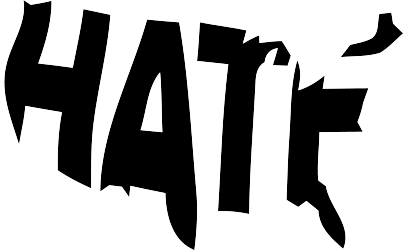
Read MoreEmpires do not fall quietly. They fracture. They grow erratic. They lash out. As legitimacy erodes, violence increases, not because the people are suddenly more dangerous, but because power is losing its grip. America in 2025–2026 is not experiencing random instability; it is living through the predictable convulsions of an empire in decline.
Read MoreTina Strawn lives in Costa Rica. She’s an early riser, which makes our long-distance meetings easier to schedule. My afternoon is dark and humid; her morning is bright with sun. Her house is about an hour from the coast, and I can almost see the warmth through the computer screen. It reminds me that the humid heat of the tropics feels like a mother’s embrace
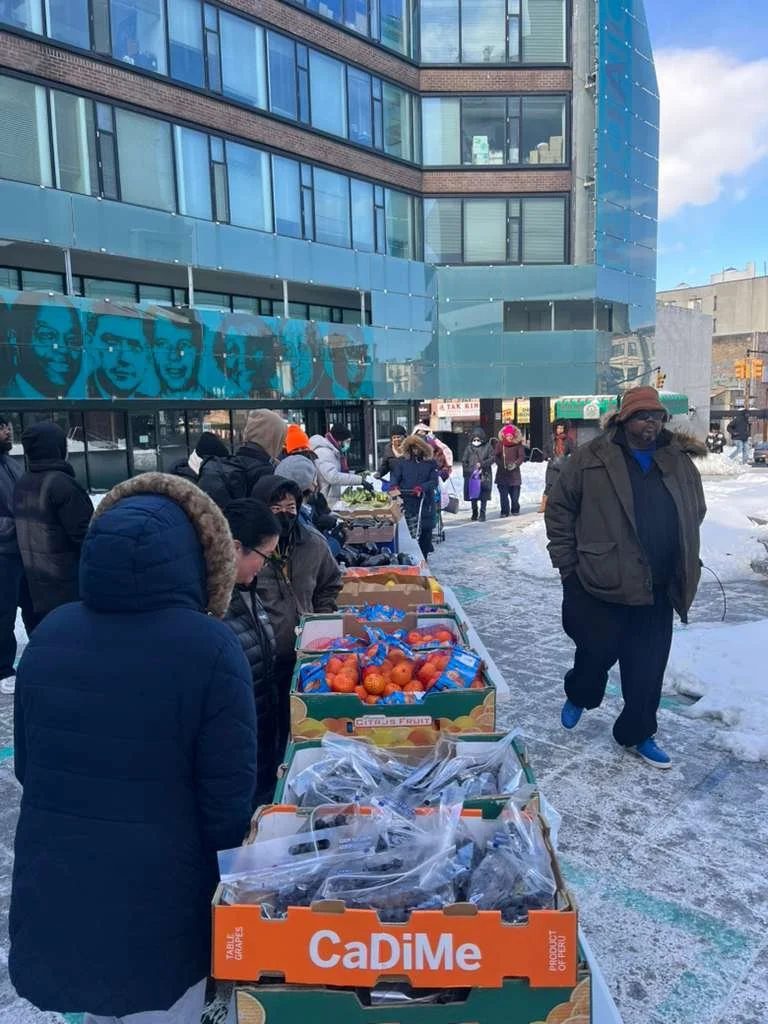
Read MoreLast month, early on a Saturday morning, I volunteered at a food distribution in Brooklyn.
My body protested that I stayed in bed, but my mind was triumphant, and I made my way out the door. By the time I arrived at Fulton Plaza around 10 a.m., the air was frigid. The 14 degrees were sharp enough to make me question why I am still living in New York. I expected to be among the first to arrive. Instead, I was surprised to find several volunteers already there.
Read More