
Artificial Intelligence Has Set Its Eyes on Every Facet of Society
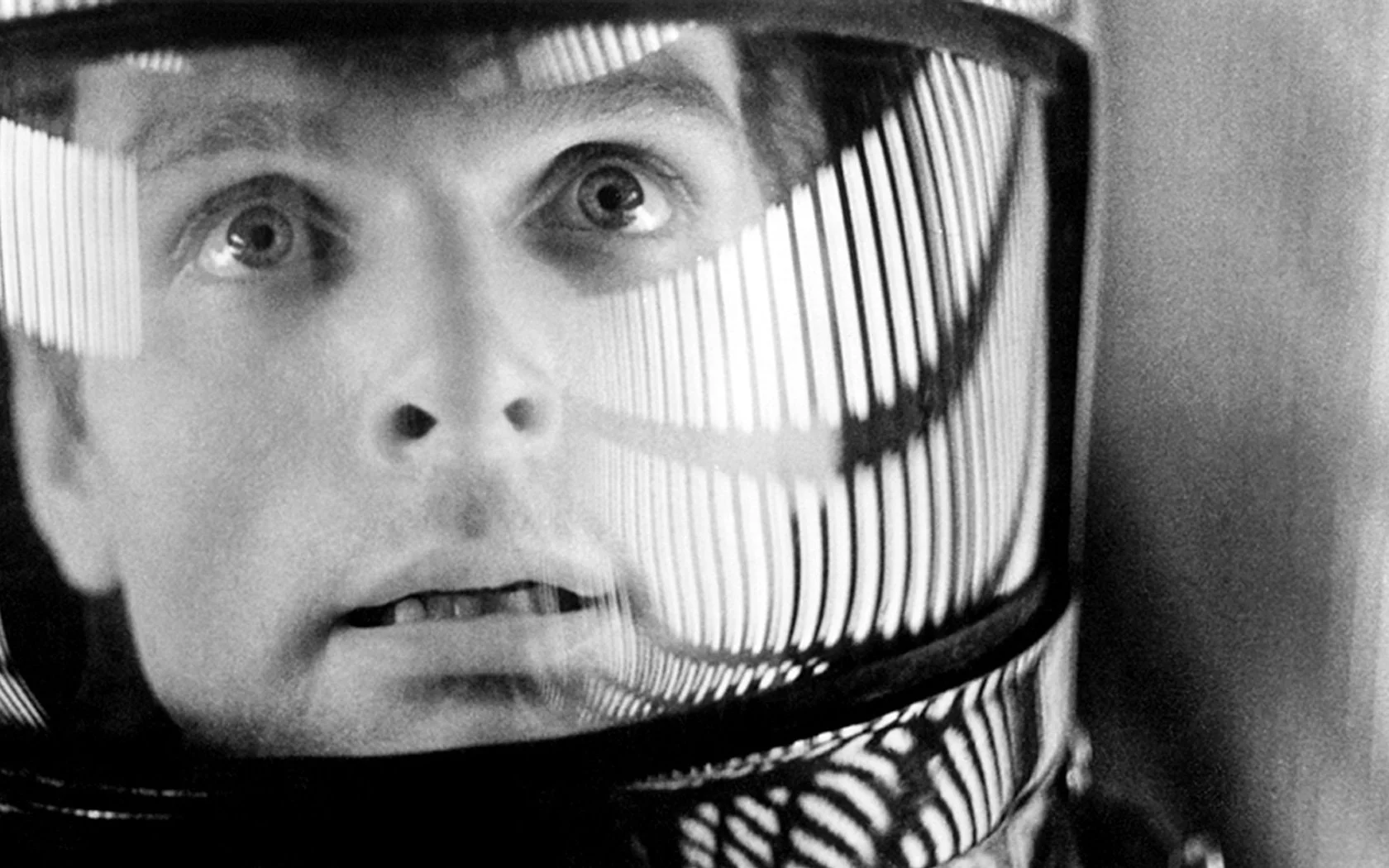
2001: A Space Odyssey
Artificial Intelligence or AI isn’t new. We’ve all engaged in it; its convenience, its aptitude and the myth that it knows everything makes it attractive to those who want to save time or who are in a rut. It has powered robotic animals who have left such an impact on their owners that they are now conducting funerals for them. The emotional connection isn’t organic, it’s capitalistic but just as real.
AI has been used in romance, in education and in politics for better or for worse. Its impact on the environment and policy have made a number of headlines, but it has also integrated itself in everyday tasks and human interaction from sourcing recipes to crafting the perfectly written email. AI has increased the power of the powerful and given those with less power the illusion of power.
AI has been around since the 1950’s, and because of its exhaustive history and its omniscient-like personality, this essay will focus on what seems to be most important to the United States. In the words of Kimberly Denise Jones, “...what’s the key to life? money, power, respect what you need in life.”
Plus love.
First you get the money
The investment into data centers, graphic processing units and the labor it takes to create and maintain the use of AI is out of this world. In 2025, there was a plan to spend $320 billion across four AI technologies. Its circular business approach means that they’re all making money for each other.
Cue: the rich get richer.
Though, AI has opened up new roles that are both specialized and that don’t require a specialization— - prompt engineer, AI trainers, personality designer, and more. Under this light, AI can be seen as an equalizer. It’s increased accessibility has allowed users to apply to more jobs, optimize their resume and tailor their tone via emails. The daily use of platforms has revolutionized people’s day to day. Oura rings are creating insight into one’s health. Smart personal assistants are helping families plan for the day. And social media timelines are being curated to a T. The cost for these time savers are nominal. It makes it more attractive.
Businesses have been using it in the same way individuals have–to reduce cost and enhance insights. But it seems that only 20% are seeing revenue growth.
Cue: Absolute power corrupts absolutely.
AI as a means to maintain power
Most recently, ChatGPT and Claude have had to decide whether they would further the States’ hypersurveillance over its citizens. While it seemed Claude was holding out, they are continuing conversations with the Department of Defence to “iron out a contract governing the Pentagon’s access to Anthropic’s AI models.”
But even more on the power front.
AI powered drones monitor the border between the United States and Mexico. Oftentimes, being used as spyware, the information–accurate or inaccurate–is used during immigration interviews. They’re also being used to take out “gangs” in Haiti with little oversight into the cost of life for innocents in the area.
Those with power have been using the technology to maintain or usurp power. Between targeted slop that the President uses to bully other world leaders or activists, or the use of AI in “predictive policing” there seems to be a parallel world being created in which all of society’s good and bad systems are perpetuated.
Respect is the key to life
Facetiously or not, many users are maintaining courtesy when speaking with their chatbots or AI powered thought partners in order to save themselves for the potential revolution of the bots. The additional words and homegrown kindness actually contributes to increased electricity costs. But others argue that practicing kindness with AI can spill over into kindness with actual humans.
AI as a romantic and platonic intermediary
On the romantic front, AI seems to pose a solution to those who no longer enjoy singledom, or for those who want to find partners of all kinds outside of their usual social circles. It has replaced the corny, yet creative, pick up lines that have characterized dating whether in real life or televised life. Instead, it has created canned pseudo-cheeky, predictable one liners that lack personality, imagination and intimacy–three important factors to creating deep relationships…