
Tina Strawn: Writer, Speaker, Activist
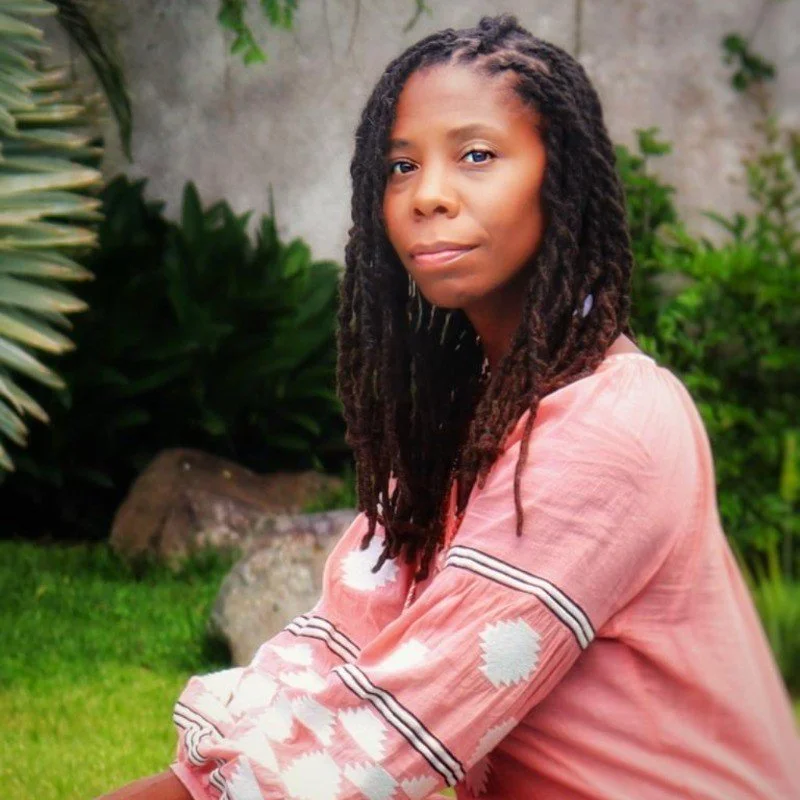
Tina Strawn lives in Costa Rica. She’s an early riser, which makes our long-distance meetings easier to schedule. My afternoon is dark and humid; her morning is bright with sun. Her house is about an hour from the coast, and I can almost see the warmth through the computer screen. It reminds me that the humid heat of the tropics feels like a mother’s embrace.
In this piece, we examine Tina Strawn’s work across activism, writing, and public speaking, exploring issues including divorce, migration, activism, contemplative practices, and more. She has long worked as a coach, teacher, and guide. I have the sense that she does this work well: when I speak with her, I often find myself wanting to tell her about my life and ask her for advice. In Legacy Trips—retreats she has been leading in Alabama since 2018—many people find in her an answer, a companion, or a deeply necessary and healing question.
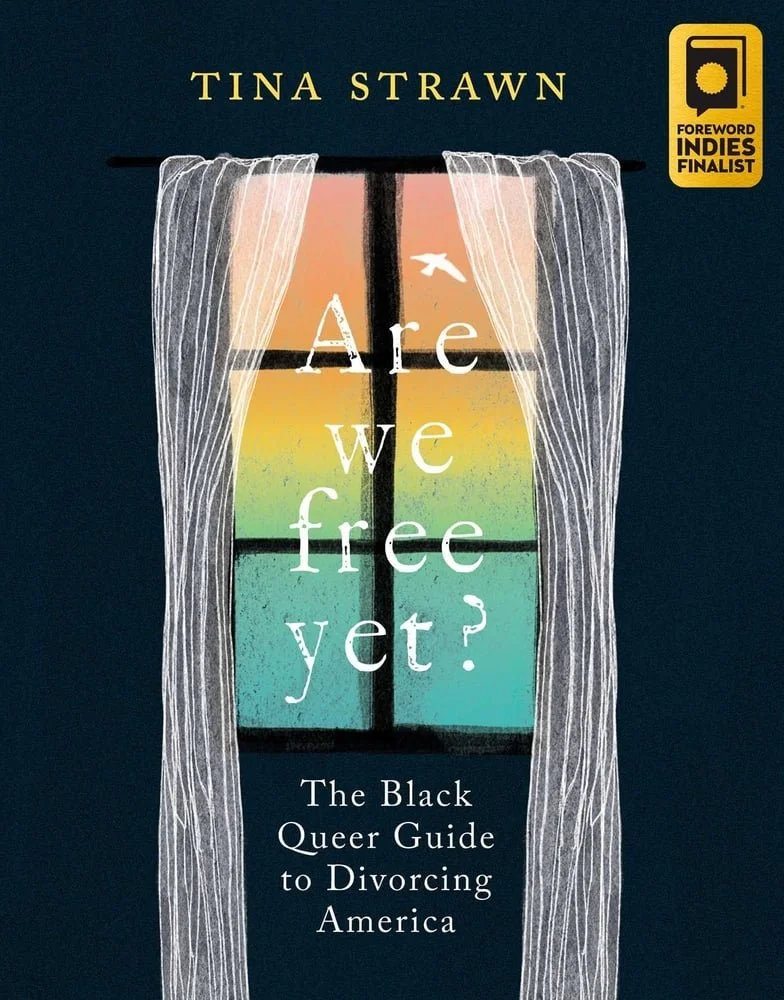
Tina and I know each other because she has been writing for AHUS for quite a while. In one piece, she writes about being an activist and shares that she attended predominantly white schools and that her father was a preacher. She explores this further in her book Are We Free Yet? The Black, Queer Guide to Divorcing America. What is interesting is that it is precisely those proximities to whiteness, those distances from whiteness, and that Black sensibility that would later shape the activist she is today.
I know, for example, that she can speak faster than she usually does when she talks with me. When speaking to me, she moderates her tone, enunciates every word, and stays within what is linguistically “correct.” In her book, she explains that attending a white school shaped part of her linguistic repertoire. Black children would tell her she spoke “strangely,” maybe too “properly;” something she would later, as an adult, describe as “articulate.” That is the register she uses when talking with me. She tells us that she learned to speak articulately to make white folks comfortable around her. I am not white, but I appreciate the gesture, because we both use “articulation” as a way of drawing closer to one another: I do so from the distance and closeness of a language that is not my mother tongue, and she does so from the distance and closeness of someone who can preserve the message while changing its messenger.
This is how she frames Are We Free Yet?, sharing parts of her personal experience and weaving them together with gender and anti-racist theory, historical events, reflections, and anecdotes. She structures the book around four pillars: grief, healing, joy, and pleasure. At the beginning, she asks readers to prepare themselves to move through the book with her, with the aid of journals, sex toys, or even a consenting companion. This matters because, as she tells us, it is joy and pleasure that ultimately free and heal us, and those are simply tools toward that end. I think about how speaking frees us in our own relationships and also about how we find our way back to one another after conflict through joy and pleasure. That is the restorative tool because it allows us to enjoy one another’s company again, in honesty. Isn’t that a pillar not only of her book but also of life itself?
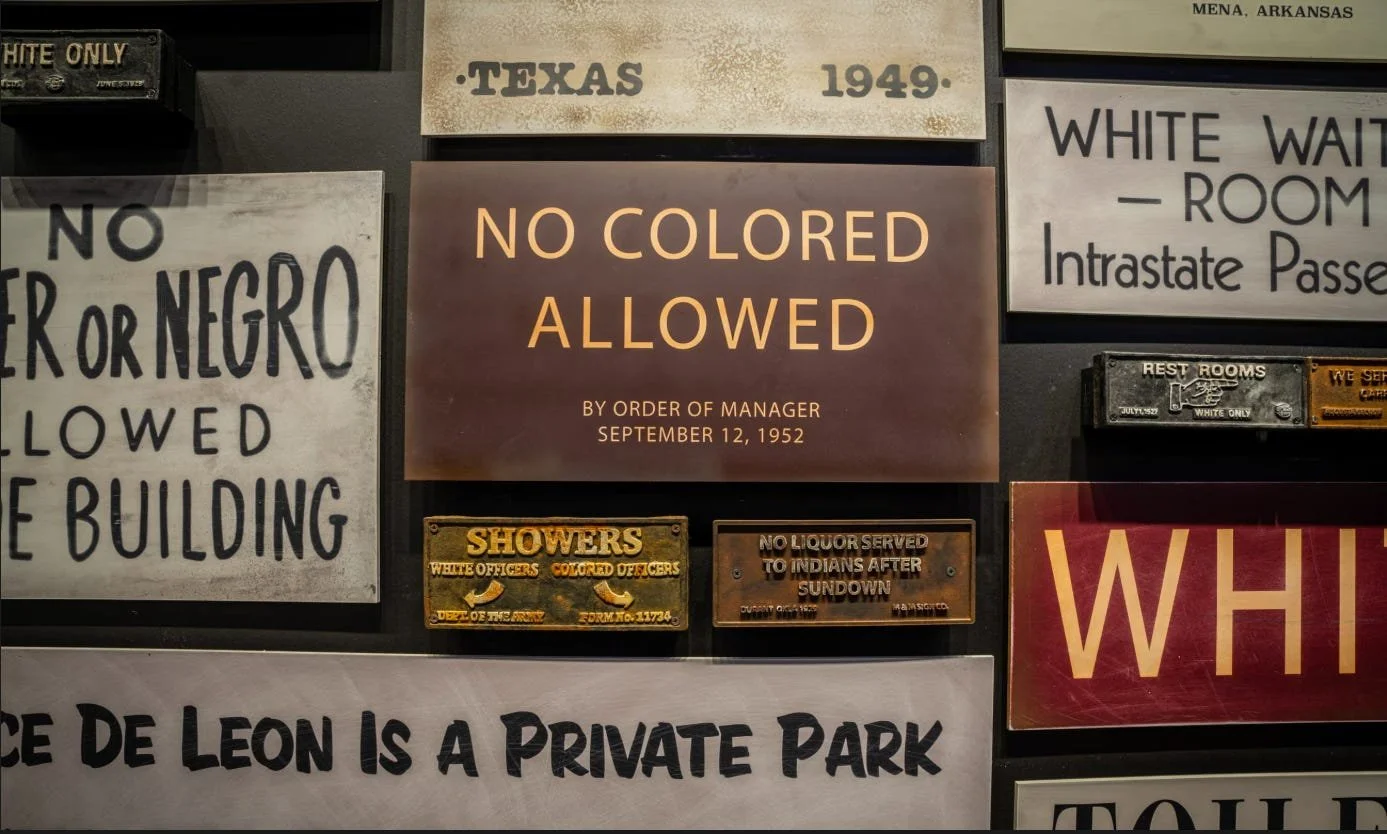
via The Guardian
Since 2005, she has taught yoga and worked in the fitness world, but it was only after seeing videos of Alton Sterling and Philando Castile being killed by cops and Trump becoming president for the first time in 2016 that she developed a steady meditative practice. The past and the future do not exist. Everything is present. A meditation practice did not suddenly “appear” after yoga. Rather, just as racism does not belong to the past, the meditative practice of 2016 already existed as a pulse within the yoga she had practiced since 2005. That is, when we speak about the racist past, we are speaking about the racism of today. That is, when we speak about the person we were before, we are speaking about the person we are today.
In 2024, her nephew was killed in Stillwater, Oklahoma. Police said he hung himself from a tree with his own hoodie (may he rest in peace and power). When will the United States stop lynching its Black and non-white citizens? Not so long ago, postcards were sold depicting Black people hanging, lynched. Where is this history? Who tells it? Who says, “Yes, you are capable of this”? You were. And you still are. And this is not something from a distant past. It seemed like things had improved, but that was only the surface. Nowadays, all that filth from the depths rises back, and it seems that inhumanity is on full display, unmasked and unapologetic. “They haven’t stopped lynching us,” writes Tina herself. A significant part of her work on social media and Substack draws from her own lived experience, interrogating entrenched paradigms and social injustices, and frequently extending a gentle light of hope through community, rest, and pleasure.
Tina divorced her husband. She is also divorced from her wife. She divorced from her country. In doing so, she has questioned the role of the mandatory “family,” placing community, mutual aid, and sincere bonds of collective support at the forefront. Divorce is not an escape; it is a rupture, a reshaping of life from a point of no return, where we see from afar a life that once was and can never be again. A similar idea of rupture guides the journeys of those who migrate.
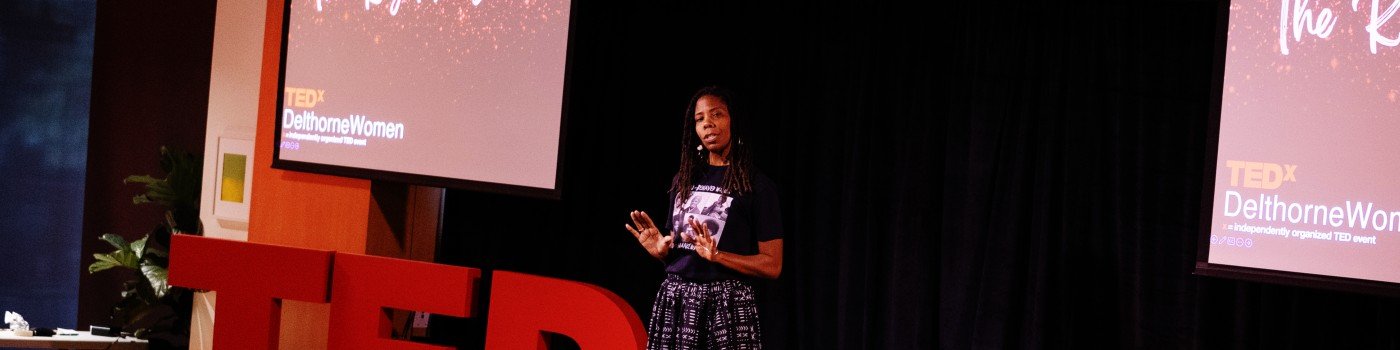
In her TEDx talk, she explains that this movement of leaving, migrating, and rupturing is not hers alone. It is one she aligns herself with, but it belongs to her history, to all Black generations. Many ancestors chose to escape the plantations. “Blaxit” is the modern-day migration of Black people out of the United States, driven partially or primarily by systemic racism.
Racism and discrimination are not the only problems; the absence of justice deepens the harm.
Grief and healing go hand in hand. Grief is realizing what has happened. It is shedding naïveté, and it is the first step toward healing, though not the only one. Part of that grief is realizing that, for some people, there is no physical place to return to and that the ancestral home is a narrative place rather than a geographical one. It is only within that narrative space that one can truly suffer, feel the pain, come to understanding, and begin to heal. When I ask Tina about genealogy, she responds that Black Americans are global orphans. She cannot trace where her ancestors come from within Africa, and she is aware that despite shared struggles and skin color, Africa is a vast continent with diverse histories and cultures she doesn’t know. In that sense, the “point of origin,” the “ancestral home,” is not a location but a movement toward liberation. As a Black woman, she is part of the Black diaspora. What she inherits is not a place, but a viewpoint, a history, and a path. She inherits the world.
In her book, she also recounts how she became the owner and spokesperson of Speaking of Racism, a podcast with almost half a million downloads that ran from 2020 to 2023, and the impact that putting her voice out into the world has had on others, emphasizing the importance of accountability. We harm people. History has its villains. Accountability is often misunderstood and can feel intimidating. We were never taught any better (accountability is not about playing the victim, making excuses, justifying oneself, or minimizing harm). Accountability is not only a sign of emotional maturity, but it is also the only path toward a genuine, balanced relationship with others, persons in particular, and communities in general. If there is harm, recognizing it, taking responsibility, and committing to repair and change are part of healing.
In her book, under “peace & pleasure” and “celebration & joy,” Tina speaks about ways of being in the world that fall outside the bounds of what is considered politically correct and hyper-productive—often stigmatized practices that range from rest to sex to marijuana use. She also addresses her readers as sexual beings rather than sexualized objects, and such is a profound shift: from object to subject, from something acted upon to someone with agency. Control of sex and pleasure has long been a tool of oppression.
…