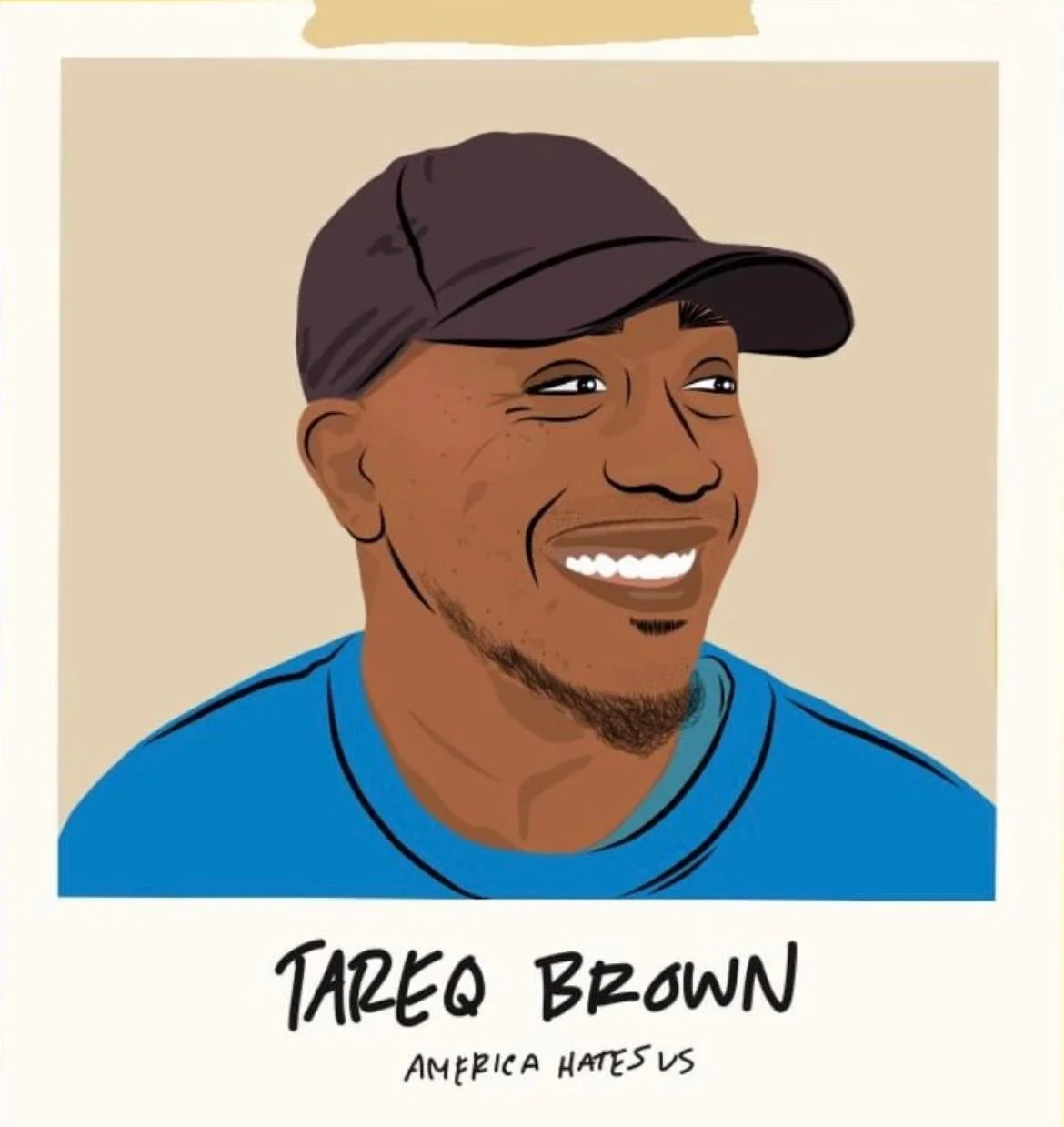
Seller's Remorse
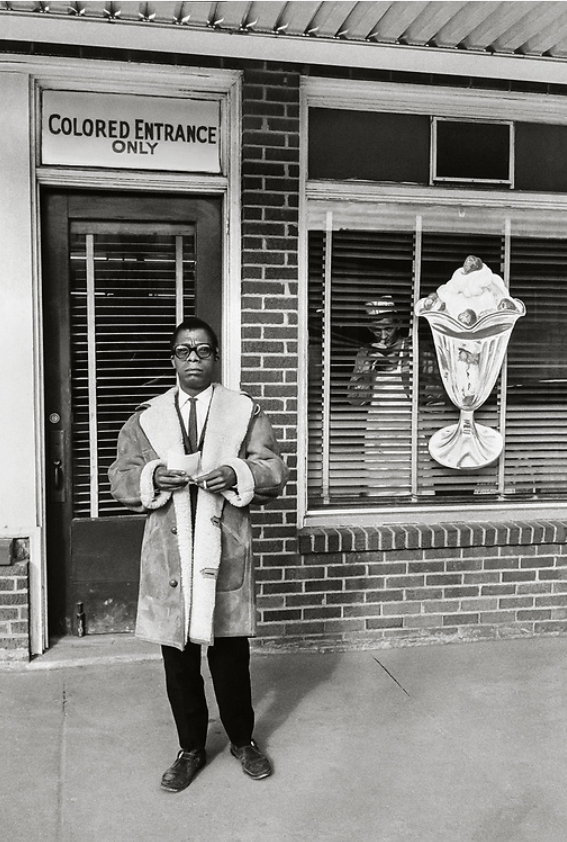
James Baldwin, "Colored Entrance Only," via Steve Schapiro
I have had the pleasure of running a lifestyle brand that creates and sells clothing and other merchandise rooted in thoughtfulness, social consciousness, and the lived pains and experiences of marginalized people. And it might be because of this that I encounter myself in a paradox.
I’m writing today from a place I never seek out, but one that finds me anyway, just often enough to sting every time. That place is seller’s remorse. Like the first bite into a fresh grapefruit, the tangy sweetness is followed by the unavoidable bitterness.
2024 and 2025 were some of the worst sales numbers we’ve ever had in nearly ten years. I can live with that part, because that responsibility sits squarely with me as the founder. And granted, sales are not everything. But having less than remarkable sales numbers impacts what we can do as a brand.
As you have come to know, America Hates US (AHUS) is more than an online shop. We host an informative and principled space, sharing critical news, both domestic and international. We publish insights and perspectives from a diverse group of thoughtful writers. We run a successful monthly book club. We tell the truth, even when it is a bitter pill to swallow.
These are things I am deeply proud of, and they are the things we have remained consistent about since day one. They are the constant work we do, day and night, when we citizens feel hopeful, joyful, when we celebrate , but also, and, of course, when things go wrong. Fiercely.
Product sales, in particular, are what inject the most financial stability into this work. Money keeps the world turning, and it keeps this brand afloat. Money matters, and perhaps it matters now because we need it, constantly, urgently.
We are not funded by anyone (we wish!). No one involved in this brand is wealthy enough to sustain it out of pocket. Historically, revenue from sales has allowed us to do so much: host free events for our community, run book and clothing giveaways, pay contributors fair compensation for their labor and time, support organizations already doing essential groundwork; start, carry out, fund and contribute to mutual aid for individuals on the brink of houseless‑ness; and pay our small staff for the care, talent, and energy they bring to this work.
We do this work because, after all, we feel it’s the best thing we can do with time, energy, and abilities. We want to make the burden a bit less heavy in a world that already feels unbearable for so many of us.
When 2026 began, and we noticed an uptick in sales, that familiar feeling returned—a knot in my stomach, a quiet thought I could not shake: I have seen this movie before. Seller’s remorse was close behind.
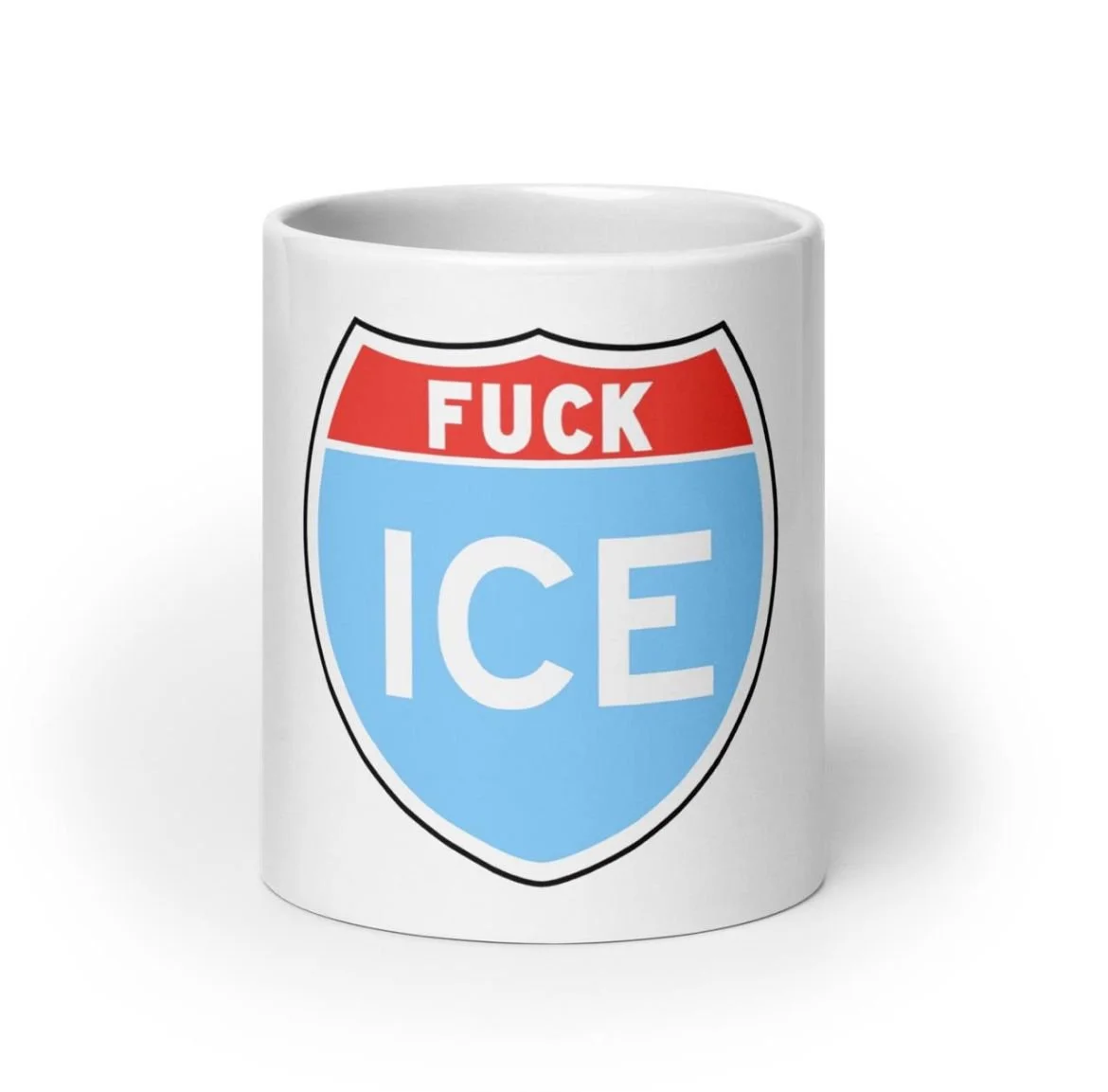
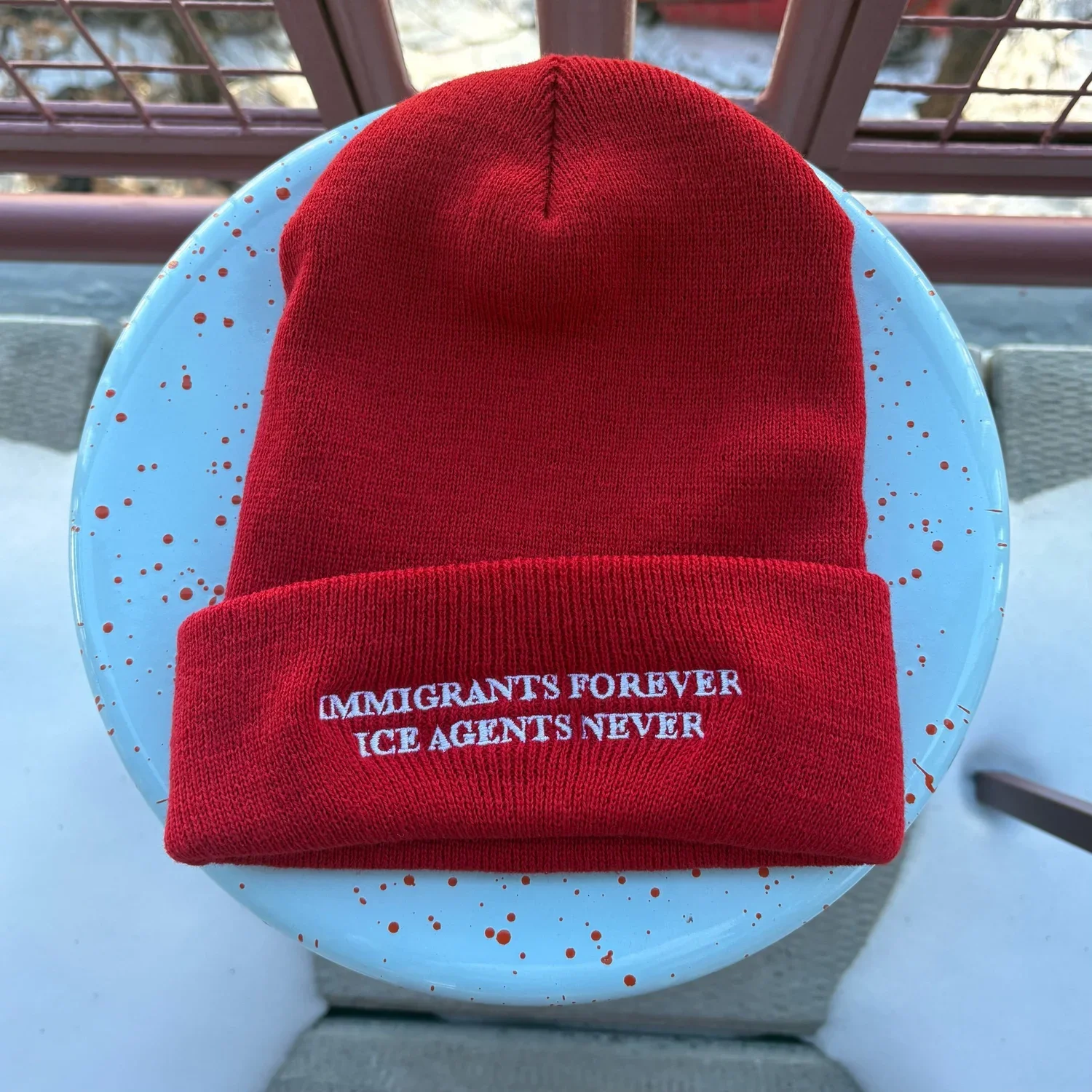
The catalyst this time was tragedy. Earlier this month, the viral shooting deaths of Renee Good and Alex Pretti in Minnesota at the hands of ICE shook many of us to our core. In the aftermath, we experienced a small spike in sales across the board. Supporters purchased designs like “Immigrants Forever” and “Fuck 12” as a way to publicly reject ICE, policing, and state violence. On one level, this brings me genuine joy. When our products sell, it means the message resonates. It means someone wants their values to be visible, to let their neighbors (and haters) know where they stand at a glance. The shirt speaks for them.
But joy and grief can coexist.
With that spike came the reminder that the last time we experienced similar momentum was after October 7, 2023, followed by the ongoing holocaust and genocide in Gaza. Our audience wanted to declare that they stood for a free Palestine. And this is important: it is important that people in the streets show that there is more to dressing than just dressing, that we are, when we walk, a reminder that there are things that shouldn’t be forgotten. “Free Palestine,” “Ain’t Reading All That,” and “From the River” designs sold in large numbers. Some of these products had existed long before, but they weren’t so popular until disaster and mass suffering forced people to confront what was happening.
Before that was 2020. Social and political unrest collided with the beginning of the COVID‑19 pandemic. Designs like “Blue Lives Murder” and “Cuts of Pig” were created years earlier, but it took the killing of George Floyd and countless others, along with nationwide protests, for people to discover—or rediscover—our brand and support it.
Seeing our designs scroll across social media feeds or appear on live television is also deeply bittersweet. There is pride in knowing that something we made resonated widely. But there is also the “if” that never goes away: if our messages resonate, it means injustice is still unfolding and that we have substantial work to undertake as a society. It is, by all accounts, painful to know that a design is popular because yet another Black person was killed by the state.
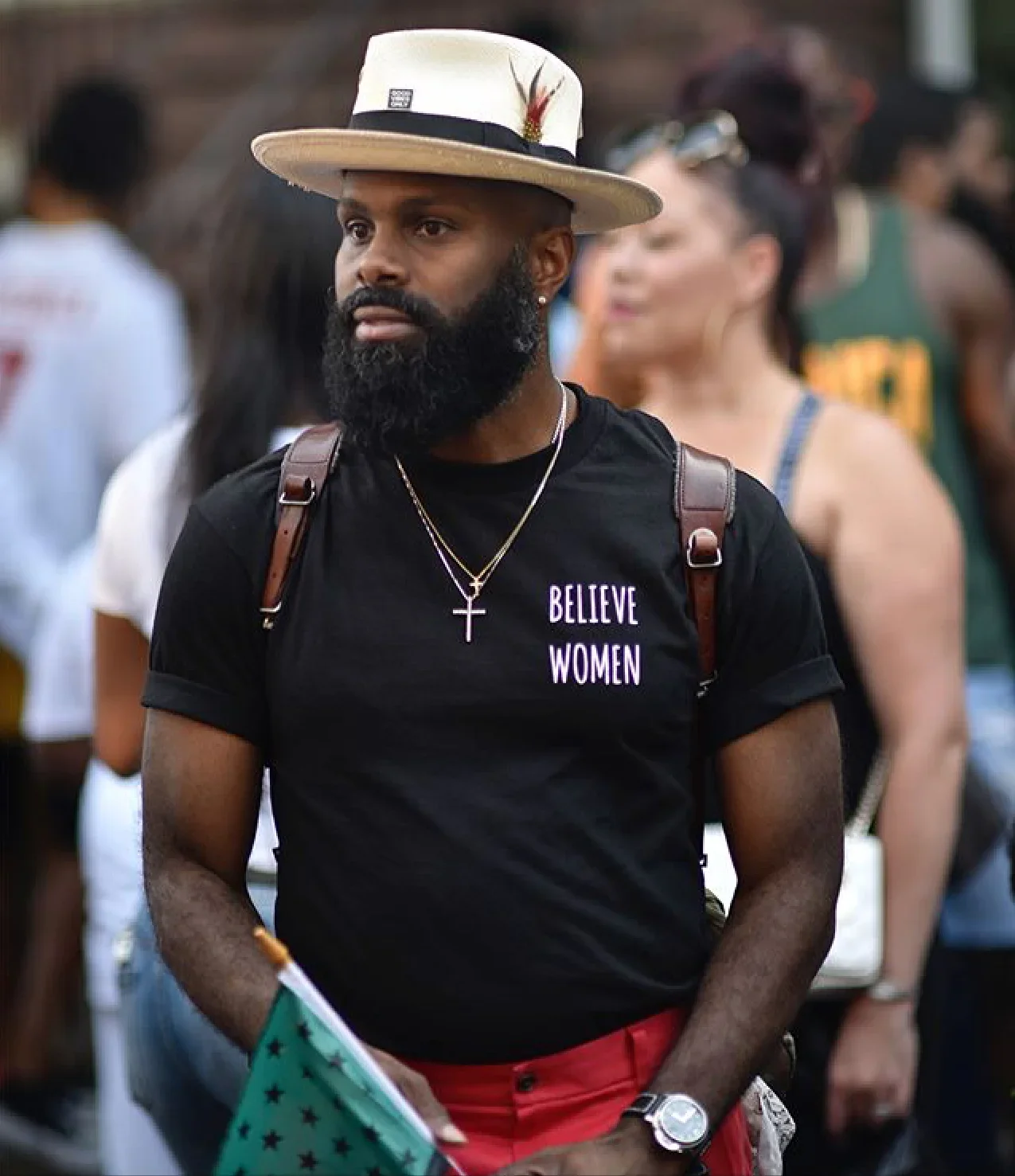
I think it was around 2018 or 2019 when seller’s remorse first appeared. It was born between the rise of the “Me Too” movement and the confirmation of Brett Kavanaugh to the Supreme Court, despite credible accusations of sexual assault. Our “Believe Women” design flew off the shelves as survivors and allies sought ways to express solidarity with those brave enough to share their stories. That design remains especially close to my heart. It was one of our earliest pieces, created shortly after I interned at a sex‑trafficking clinic during law school. There, I met survivors who were simply trying to restart their lives after immeasurable harm. That experience shaped me, and it shaped this brand.
The point of this letter is not just to name the guilt and grief wrapped up in seller’s remorse. It is to be honest about what we need moving forward.
This brand needs consistent, year‑round financial support, not just during moments of tragedy, outrage, or crisis. Support can look like regular shopping, subscribing to our Patreon or Substack (or both), making recurring or one‑time donations, or sharing our work with others who believe in that same mission. Every bit truly does matter.
We are not a massive operation. We are three people doing our very best to provide more than 130,000 people with truthful, principled, and informative content. Stable financial support would allow us to do that work with less fear and more focus. It would relieve the constant anxiety around money and give us the capacity to be more thoughtful, creative, and effective.
I dream of a future where our survival is not adrift in mass suffering, but receives consistent funding (in all honesty, our labor isn’t sustainable any other way).
Until then, I will continue to hold both truths at once: gratitude for every sale, and the heavy knowledge of why those sales so often occur.