
Wounded, Untreated, and Lethal: The Male Crisis Nobody Is Diagnosing
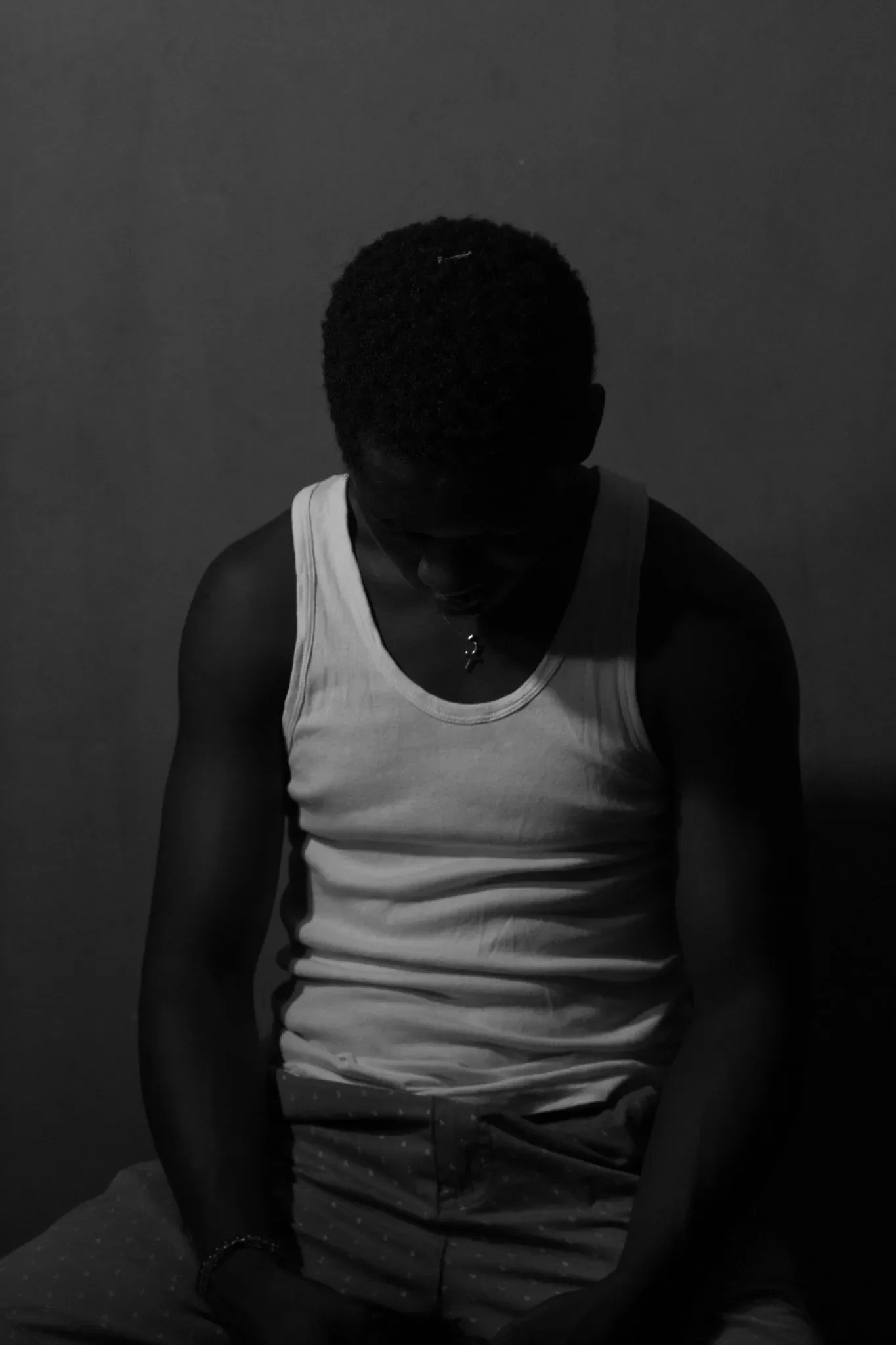
Photo by melvin Ankrah on Unsplash
This question has been sitting in the back of the mind of every Black woman paying attention for a long time now, and in recent weeks it has gotten louder and more urgent and more impossible to ignore. Why do men hate women so much—and why, in 2026, are they still killing us for it?
Last Sunday, Shamar Elkins shot his wife Shaneiqua Pugh in Shreveport, Louisiana, and then turned the gun on seven of his own children—ages three to eleven—and another child in the home, leaving eight children dead and two women wounded. Days before that, former Virginia Lieutenant Governor Justin Fairfax shot his estranged wife, Dr. Cerina Fairfax, in their home and then turned the gun on himself, leaving their two children to find them. And somewhere between those two tragedies, influencer Ashlee Jenae was found dead in a hotel room in Zanzibar—her birthday trip with her partner ending not in a proposal but in her death, her family notified not by him but by the hotel. Four months into 2026, story after story after story: Black women killed by husbands, partners, the fathers of their children—acts of violence so senseless they begin to blur together, and yet each one is devastatingly, irreversibly distinct.
This is not a coincidence. This is not a cluster. This is a pattern with a long, documented, uninterrupted history—and it is accelerating.
Black women are two times more likely to be murdered by men than their white counterparts, and more than nine in ten Black female victims knew their killers. The home—the place women are told is their refuge, their safety, their reward for choosing right—is statistically the most dangerous place a Black woman can be. And still, the culture that produces these men, the digital pipelines that radicalize them, the institutions that quietly cosign their entitlement, continue operating without interruption. And still, when the bodies are found and the vigils are held, the conversation that follows somehow finds its way back to what the woman could have done differently.
The Diagnosis Nobody Is Making
Here is what is true and what nobody with a platform seems willing to say plainly: men are unwell, and their unwellness has been protected, enabled, and in many cases celebrated for so long that it now reads as personality rather than pathology.
Men are socialized from birth to externalize everything—pain becomes anger, fear becomes aggression, shame becomes control, and vulnerability is so thoroughly conditioned out of them that by adulthood most men have no internal language for their own suffering, so it comes out sideways, aimed outward, aimed at the people closest to them, usually the women who loved them most. They are emotionally illiterate in a world that never required emotional literacy because power protected them from the consequences of not knowing how to feel. They were never taught to hurt quietly. They were only ever taught to make someone else responsible for the hurt.
The structure of patriarchy—which men built and from which men benefit—damages men too, just differently and with far less lethal consequences for everyone around them. It tells men that their entire worth is tied to dominance, provision, and control, which means the moment any of those things are threatened—a job loss, a woman leaving, a perceived disrespect, a divorce agreement with a court deadline—the identity collapses completely, because it was never built on anything internal to begin with. There is nothing underneath the performance. When the performance fails, the violence begins.
For Black men specifically, this is where the analysis gets more layered and more painful and more necessary to name honestly. Black men are carrying the compounded trauma of racism, of centuries of systematic emasculation by white supremacy, of a society that has criminalized their existence while simultaneously telling them that real men dominate and provide and control—and the hypermasculine overcorrection that developed partly as survival and partly as internalized oppression has been aimed, with devastating consistency, at Black women. The crisis of Black male unwellness is real and it deserves to be taken seriously—but it is being resolved in the wrong direction entirely, doubling down on dominance over Black women rather than dismantling the systems that wounded Black men in the first place. Black women did not create that wound. We should not be the ones dying from it.
And the honest, uncomfortable truth underneath all of it is this: men are unwell because their unwellness has never cost them enough. Until the personal, social, and legal consequences of emotional dysfunction become genuinely unavoidable, there is no structural incentive to change—and the community that should be holding men accountable keeps finding reasons to understand the violence instead of condemning it.